
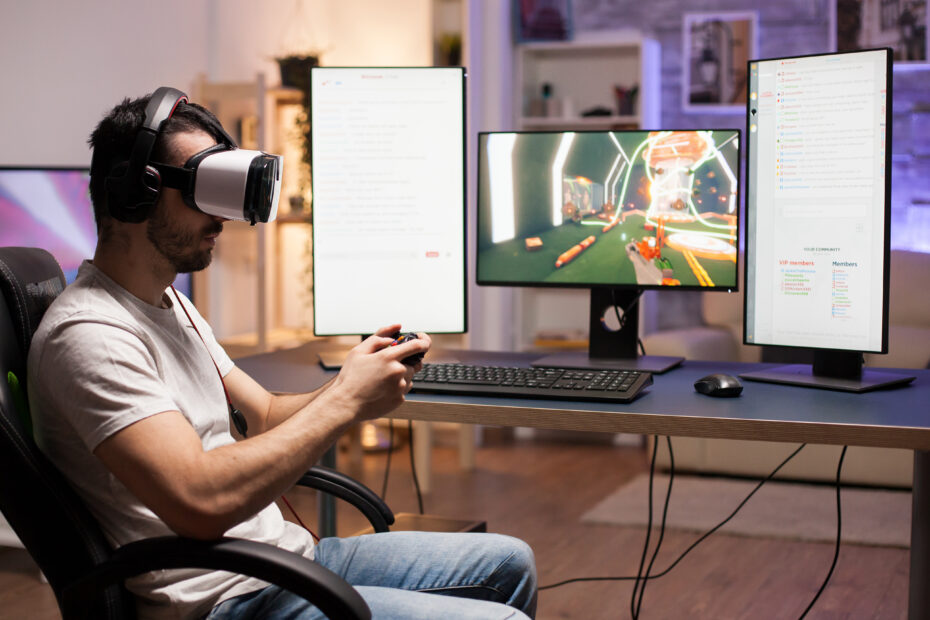
Gaming has evolved from simple pixelated screens to immersive virtual worlds that captivate billions of players worldwide. What began as basic electronic entertainment in the 1970s has transformed into a multi-billion dollar industry that shapes modern culture, drives technological innovation, and creates communities that transcend geographical boundaries.
The Evolution of Gaming Technology
The journey of gaming technology is nothing short of remarkable. From the early days of Pong and Space Invaders to today’s photorealistic graphics and virtual reality experiences, each decade has brought revolutionary changes. The 8-bit era of the 1980s introduced us to iconic characters like Mario and Sonic, while the 1990s saw the transition to 3D graphics with consoles like PlayStation and Nintendo 64.
Today’s gaming landscape features 4K resolution, ray tracing technology, and cloud gaming services that allow players to stream high-end games without expensive hardware. The introduction of virtual reality and augmented reality has opened new dimensions of interactive entertainment, making gaming more immersive than ever before.
Gaming as a Social Phenomenon
Gaming has fundamentally changed how people socialize and connect with others. Online multiplayer games have created vast communities where players from different continents can team up, compete, and form lasting friendships. Games like Fortnite, Minecraft, and Among Us have become social platforms where young people hang out, chat, and share experiences.
The rise of streaming platforms like Twitch and YouTube Gaming has turned gaming into a spectator sport. Millions watch their favorite streamers play games, creating a new form of entertainment and even career opportunities for skilled players and charismatic personalities.
The Educational Benefits of Gaming
Contrary to common misconceptions, gaming offers numerous educational benefits. Strategy games enhance critical thinking and problem-solving skills, while puzzle games improve spatial reasoning and memory. Educational games specifically designed for learning make subjects like mathematics, history, and science more engaging for students.
Many games require players to manage resources, plan ahead, and adapt to changing situations – skills that translate directly to real-world applications. Language learning games, historical simulations, and coding games have made education more interactive and enjoyable.
Gaming Industry Economics
The gaming industry has become an economic powerhouse, generating over $180 billion annually worldwide. This figure surpasses the combined revenue of the movie and music industries, highlighting gaming’s dominant position in entertainment. Mobile gaming alone accounts for nearly half of this revenue, with games like Candy Crush and PUBG Mobile earning billions through microtransactions.
The industry provides employment to millions, from game developers and designers to marketers and esports professionals. Independent game developers have found success through digital distribution platforms, creating innovative games that might never have been possible under traditional publishing models.
Esports: The Competitive Gaming Revolution
Esports has transformed gaming from casual entertainment into professional competition. Major tournaments like The International (Dota 2), League of Legends World Championship, and Fortnite World Cup offer prize pools worth millions of dollars. Professional gamers train rigorously, similar to traditional athletes, and compete in front of thousands of live spectators and millions of online viewers.
Universities now offer esports scholarships, and some countries recognize esports players as professional athletes. The industry has created career opportunities not just for players but also for coaches, analysts, commentators, and event organizers.
Gaming and Mental Health
Research increasingly shows that gaming can have positive effects on mental health when approached responsibly. Games provide stress relief, offer escapism during difficult times, and can help combat feelings of isolation. Multiplayer games create social connections that are particularly valuable for people who struggle with face-to-face interactions.
However, it’s important to maintain balance. Gaming addiction is a real concern, and excessive gaming can negatively impact physical health, sleep patterns, and social relationships. The key lies in moderation and maintaining a healthy relationship with gaming.
The Future of Gaming
The future of gaming looks incredibly promising with emerging technologies like artificial intelligence, blockchain, and the metaverse. AI will create more responsive and intelligent game worlds, while blockchain technology might revolutionize game ownership and digital asset trading.
Cloud gaming services promise to make high-end gaming accessible to everyone with an internet connection, potentially eliminating the need for expensive gaming hardware. The concept of the metaverse – persistent virtual worlds where people can work, play, and socialize – could fundamentally change how we interact with digital spaces.
Gaming Culture and Community
Gaming culture has developed its own language, traditions, and customs. From speedrunning communities that compete to complete games as quickly as possible to modding communities that create new content for existing games, gaming fosters creativity and collaboration.
Gaming conventions like E3, PAX, and Comic-Con bring together thousands of fans to celebrate their shared passion. Cosplay, fan art, and fan fiction demonstrate how games inspire creative expression beyond just playing.
Conclusion
Gaming has become far more than just entertainment – it’s a cultural force that shapes technology, economy, and social interactions. As technology continues advancing and new generations of players emerge, gaming will likely play an even more significant role in our lives. Whether you’re a casual mobile gamer or a dedicated esports competitor, gaming offers something for everyone in this digital age. The key is to embrace the positive aspects while maintaining a healthy balance, ensuring that gaming remains a source of joy, learning, and connection rather than isolation or addiction.
For more article visit our website: “Bracegaming“